Why India Needs More Leagues Like the UPKL and KCL: Uncovering Grassroots Talent and Powering Kabaddi’s Next Evolution?

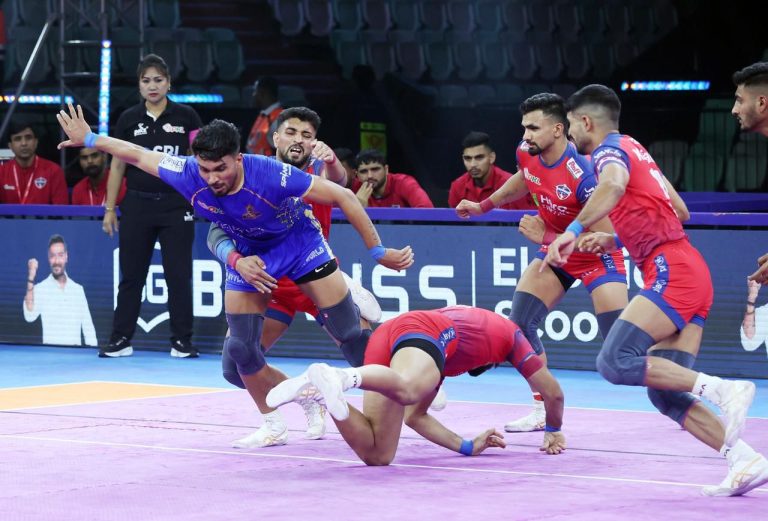
Kabaddi, long a traditional sport deeply rooted in Indian rural life, has evolved dramatically in the past decade — transitioning from village grounds to national stadiums, digital stadiums, and television screens. The meteoric rise of the Pro Kabaddi League (PKL) fundamentally transformed the sport’s professional ecosystem, creating newfound opportunities for athletes, coaches, and communities. But transformative as PKL has been, India still needs many more competitive, regional platforms like the Uttar Pradesh Kabaddi League (UPKL) and Kabaddi Champions League (KCL) to truly unlock the nation’s vast reservoir of kabaddi talent.
These leagues do not merely create more matches; they democratize opportunity, create local role models, generate jobs, and strengthen the sport’s foundation from the grassroots up — strengthening India’s prospects in international kabaddi and creating sustainable sporting careers for young athletes across the country.
- Bridging the Opportunity Gap for Grassroots Players
India’s demographic advantage is its youth — millions of boys and girls eager to make their mark in sport. Yet for years, many talented kabaddi players struggled due to a lack of visible pathways to success. Urban centers had more access to scouts, sponsorships, and competitive exposure, while rural talent remained hidden.
Leagues like UPKL and KCL have helped change this narrative by focusing on local athletes who traditionally lacked visibility:
UPKL became a launching pad for young players from small towns and remote districts across Uttar Pradesh, giving them exposure to professional-level coaching, training infrastructure, and competitive pressure.
KCL’s structure brought together top performers from various regional circuits, including standout talent from Haryana, turning raw potential into performance under pressure.
For the first time, many players from humble backgrounds saw kabaddi as a viable career — not just a passion. This shift is monumental because talent is universal, but opportunity is not. Regional leagues help level that playing field.

- Creating Local Heroes and Inspiring Future Generations
Sport thrives on stories — stories of struggle, grit, triumph, and glory. Before grassroots leagues, children in smaller towns had few relatable sporting idols beyond cricket stars. Kabaddi leagues such as UPKL and KCL have created local heroes whose journeys resonate deeply with youth in their regions.
Teenagers from villages in Sitapur, Meerut, and Muzaffarnagar began dreaming of kabaddi stardom once they saw players from similar backgrounds succeed on televised league matches. In Haryana, where the wrestling and kabaddi culture is strong, KCL helped shine a spotlight on athletes who were household names in their districts but unknown beyond them.
These stories matter because they help:
Inspire participation: Children are more likely to pursue sport seriously when they see people like them succeed.
Boost community support: Local pride amplifies interest — entire villages support players, organize viewing gatherings, and celebrate their achievements.
Encourage families to support athletic careers: In many communities, parents now see kabaddi as a respected and rewarding pursuit.
- Building a Sustainable Sporting Ecosystem
The march toward sporting excellence isn’t just about talent — it’s a system. It requires coaching, scouting, nutrition, fitness regimes, sports science, and economic support. Regional leagues like UPKL and KCL are pillars in building this system.
They do so by:
Creating regular competitive calendars: Instead of sporadic tournaments, players get regular fixtures — increasing skill refinement and tactical growth.
Offering financial incentives: Prize money, contracts, and match fees allow players to pursue sport full-time without financial insecurity.
Attracting sponsors and media attention: Local businesses and brands find regional leagues as accessible platforms for marketing, which boosts league quality and revenue.
Developing coaching infrastructure: To stay competitive, teams invest in better coaching, physiotherapy, strategy, and training.
When this infrastructure cascades down into schools, clubs, and community training centers, kabaddi becomes more than a sport — it becomes a career ecosystem.
- Expanding the Talent Pool for National and International Success
India has dominated international kabaddi for years — but global competition is rising. Nations like Iran, Thailand, and South Korea have intensified their kabaddi programs, challenging India at every major event.
To stay ahead, India needs a broader, deeper talent pool — not just a few stars from major cities.
Regional leagues are critical because:
They uncover hidden talent that often gets overlooked in national scouting.
They produce match-ready athletes accustomed to varied pressure situations.
They shape players experienced in different styles, formations, and match tactics.
UPKL and KCL have already contributed players to higher competitive circuits, including the PKL and national team trials — proving that regional leagues are not just supplementary; they are essential feeders into elite performance pipelines.
- Strengthening Community Identity and Cultural Pride
Kabaddi is more than sport — it is part of India’s cultural tapestry, especially in states like Uttar Pradesh and Haryana where village festivals, school competitions, and community games are integral to daily life.
Leagues anchored in these communities do more than generate entertainment; they celebrate regional identities and pride. Fans connect emotionally with teams representing their districts and states — igniting passion, community engagement, and social cohesion.
Conclusion: More Leagues, More Champions, More Dreams
The success of leagues like the Uttar Pradesh Kabaddi League and Kabaddi Champions League proves that India’s sporting revolution cannot be centralized. It must be decentralized, inclusive, and expansive.
India needs more such leagues — not only in kabaddi but across other indigenous and Olympic sports — to nurture talent, generate opportunity, and build sporting careers that can uplift athletes and inspire millions.
These leagues are not just competitions — they are launchpads for dreams, engines for community pride, and crucial stepping stones to sporting excellence.
And for a nation of 1.4 billion with an unmatched reservoir of athletic potential, building this ecosystem isn’t a luxury — it’s a strategic necessity.
Growth of Kabaddi Through Regional Leagues in India
| Section | Key Insights |
|---|---|
| Evolution of Kabaddi | Kabaddi has transitioned from rural village grounds to national stadiums, television screens, and digital platforms. The Pro Kabaddi League (PKL) revolutionized the sport’s professional ecosystem, creating new opportunities for athletes, coaches, and communities. |
| Need for Regional Leagues | Despite PKL’s success, India requires more regional competitive platforms like Uttar Pradesh Kabaddi League (UPKL) and Kabaddi Champions League (KCL) to unlock grassroots talent nationwide. |
| Bridging the Opportunity Gap | Millions of young athletes lack structured pathways to professional success, especially in rural regions. Regional leagues democratize access to exposure, coaching, and scouting. |
| UPKL’s Impact | UPKL serves as a launchpad for small-town and rural players in Uttar Pradesh, offering professional training infrastructure, coaching, and competitive exposure. |
| KCL’s Contribution | KCL integrates top regional performers, especially from Haryana, transforming raw talent into high-pressure match performers. |
| Career Viability Shift | Regional leagues have shifted kabaddi from being just a passion sport to a viable professional career option for players from humble backgrounds. |
| Creation of Local Heroes | Players from districts like Sitapur, Meerut, Muzaffarnagar, and regions of Haryana have become local icons, inspiring youth participation. |
| Community & Family Support | Increased visibility has encouraged community pride, village-level celebrations, and greater parental support for sporting careers. |
| Building Sporting Ecosystem | Regional leagues create structured calendars, consistent competition, financial incentives, and investment in sports science, fitness, and coaching. |
| Economic & Sponsorship Growth | Local brands and sponsors engage more actively in regional leagues, boosting financial sustainability and media coverage. |
| Talent Pipeline for Elite Levels | Regional leagues serve as feeder systems to PKL and national trials, expanding India’s talent pool for international competition. |
| International Competitiveness | With rising competition from nations like Iran, Thailand, and South Korea, a deeper grassroots system is crucial for maintaining dominance. |
| Cultural & Regional Identity | Kabaddi leagues strengthen cultural pride in states like Uttar Pradesh and Haryana, reinforcing sport as part of social identity. |
| Strategic Conclusion | India’s sporting revolution must be decentralized. More regional leagues mean more champions, more sustainable careers, and a stronger national ecosystem. |